Services
Training
Blog
Contact
Experiences
Tour and Itineraries
m
Anyone who loves traveling knows how easy it is to fall in love with an olive oil you taste straight from the mill or in a tiny countryside trattoria. But then you ask yourself, How do you choose a high-quality extra virgin olive oil?
Whether you’re shopping online, at the supermarket, or in a wine shop, doubts creep in. Which one is really good? How do you know if an oil was made with skills and care? The answer is simple: knowledge. And if you’re not an olive oil sommelier or a professional taster, don’t worry. There are useful, accessible tools out there that you can use, such as guides dedicated to EVOO. You might be asking yourself, Do they actually work? Are they all reliable? And most importantly, where do you buy those award-winning oils?
Sure, an article in a magazine might spark instant curiosity. But a well-made guide is like that friend who shows up late to dinner, but you forgive them because they’ve brought a really good bottle of wine.
Printed guides, slower to publish but richer in content, offer in-depth insights, technical sheets, and stories verified directly with producers. They’re perfect for anyone who wants to understand how to choose a great Italian extra virgin olive oil, instead of just trusting the label—which, let’s be honest, says next to nothing when it comes to olive oil.
Extra virgin olive oil is a living, complex product. Every detail—such as olive variety, climate, harvest, and milling—matters when it comes to quality. The simple label “extra virgin” isn’t enough to guarantee excellence.
Guides help clear things up:
In short, they help us tell the difference between truly great olive oil and one that’s just well-advertised.
.png)
This guide is a true “EVOO bible” written by an expert taster whose technical know-how comes from years in fine dining, later enhanced with top-level professional qualifications. Some complain that it gives too much space to foreign oils, but it’s 2025—good olive oil speaks many languages, sometimes unexpected ones. Can we really keep pretending that quality olive oil only exists within the Italian peninsula, between Portopalo and Ventimiglia?
It includes:
Price: 48 € – not cheap, but worth it.
Best for: anyone looking for outstanding oils, even beyond Italy.
The longest-standing guide, true to the “good, clean, and fair” philosophy. It champions biodiversity and strong local identity. Each entry reads like a small story.
Highlights:
Price: 18 € – excellent value for money.
Best for: those looking for ethical, sustainable oils with deep local roots.
Well-organized, easy-to-browse content. It’s clearly influenced by Unaprol (the Italian Olive Consortium representing over 100,000 producers), but worth reading with a critical eye. Alongside promotional support, it offers insight into supply chain traceability, quality improvement, and environmental impact.
Highlights:
Price: 9,90 € – affordable, almost mainstream.
Best for: those seeking excellent EVOO for everyday use.
A free, encyclopedia-style resource. Its olive oil section is less famous than its wine and restaurant guides, but it’s well-curated. Designed for those who approach taste with a professional mindset.
Why I recommend it:
Price: free with registration - a significant plus.
Best for: wine and food professionals, or anyone who wants a highly technical reference.
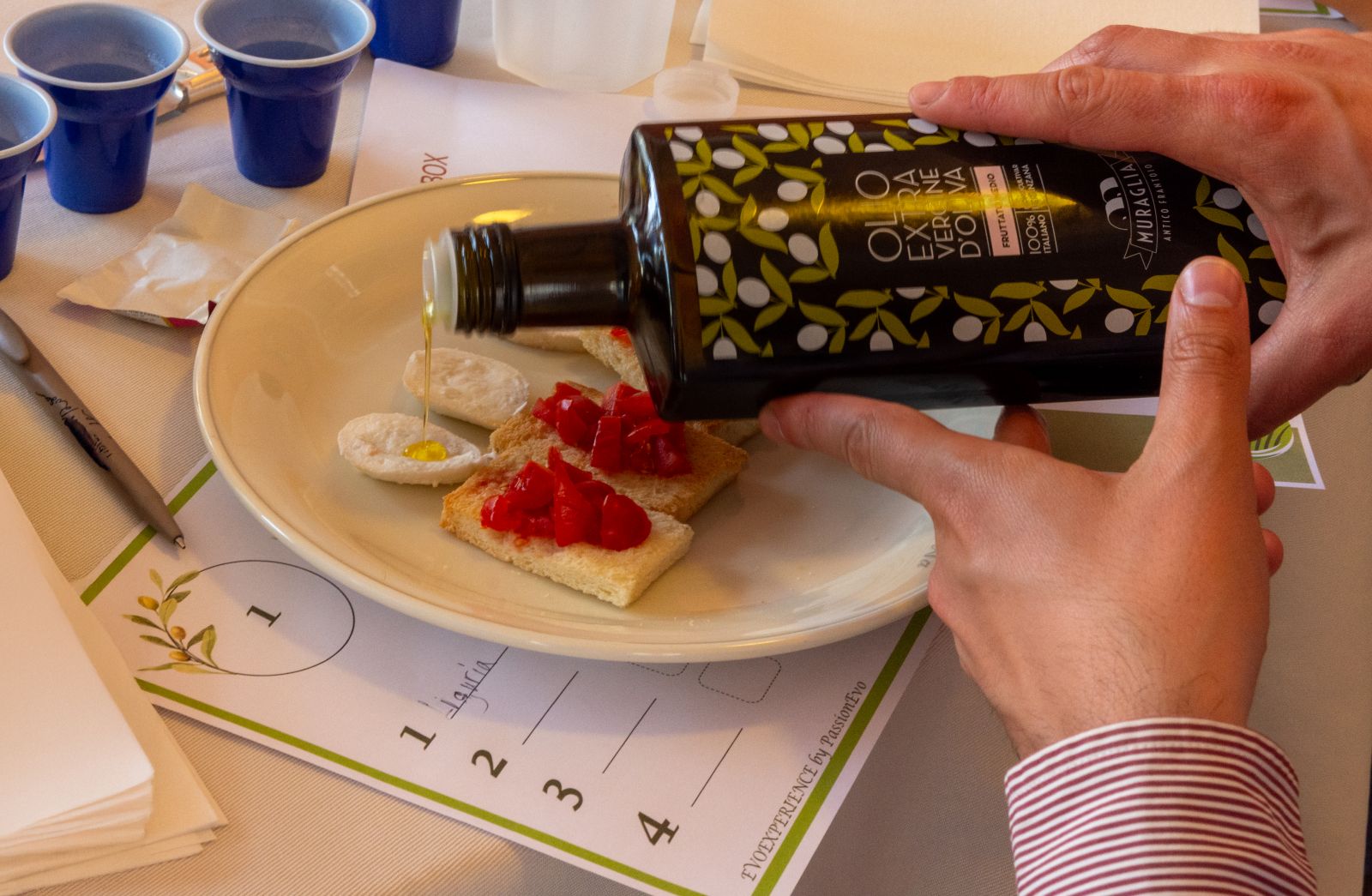
Many producers sell directly through their mills, local markets, or their own e-commerce sites. Avoid generic marketplaces and use official channels when you can — you’ll have guarantees of traceability, freshness, and proper storage. Don’t hesitate to reach out to mills and producers directly.
Some guides even include purchase links.
Choosing a quality extra virgin olive oil shouldn’t feel like a shot in the dark.
Guides are valuable tools. Not perfect, of course. But they help you navigate, learn, and spark the desire to discover more.
To sum it up:
Which one’s the best? That depends on how you think about olive oil, how you cook, and your lifestyle.
Both at the table and in life, it’s always better to let your senses guide you. My advice is to experiment. Smell, taste, and try pairing different oils with different foods.
Get in touch or check out the upcoming activities on my website. Great olive oil is discovered drop by drop.